




Never be puzzled again: The meaning of the colors on nail drill bits revealed
In the world of professional nail care, nail drill bits are indispensable tools. They allow nail technicians to work efficiently and precisely—whether removing gel or acrylic nails, shaping artificial nails, or working on cuticles. However, with the multitude of bits available, choosing the right one can be confusing. The color coding of the bits offers valuable assistance. But what exactly do these colors mean? In this blog post, I'll explain in detail the meaning of the color rings on nail drill bits and give you tips for optimal use. This way, you'll never be puzzled by your bit collection again!Which bits are suitable for gel nails?
Different milling bits are used for removing and processing gel nails – depending on the work step:
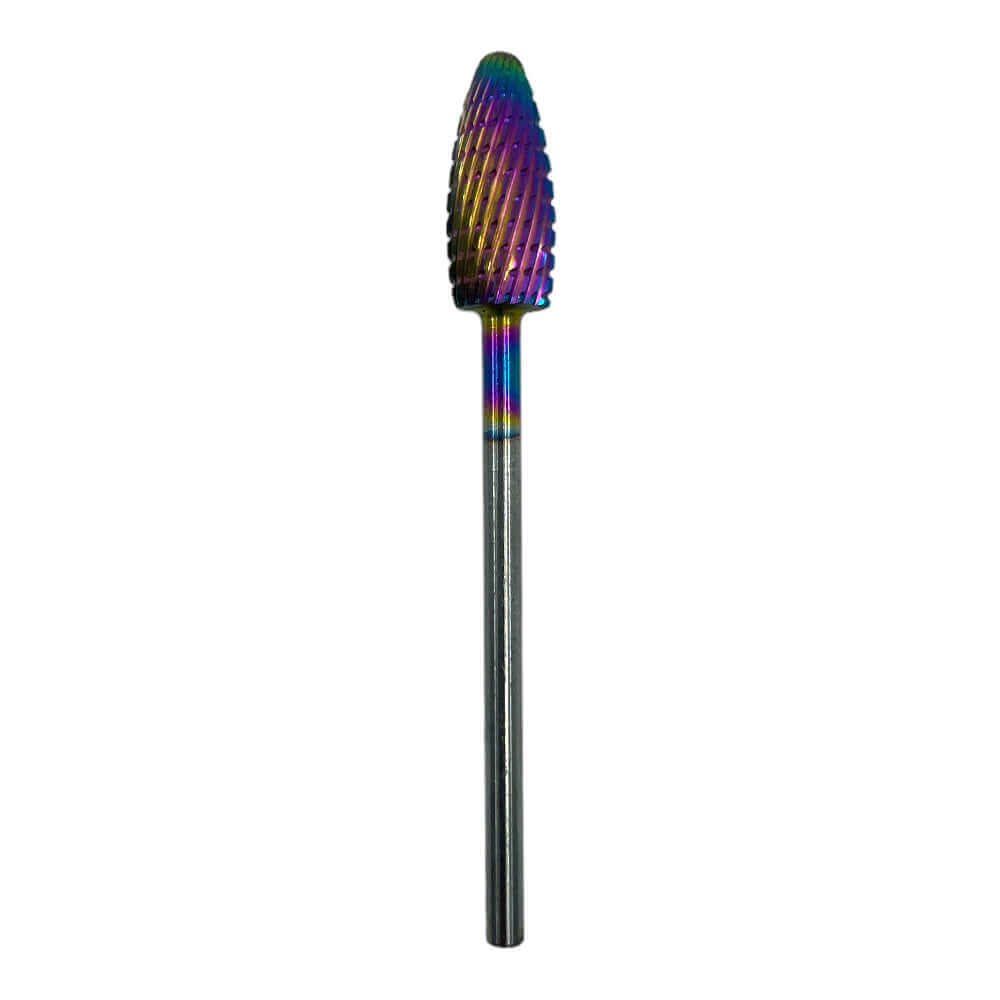
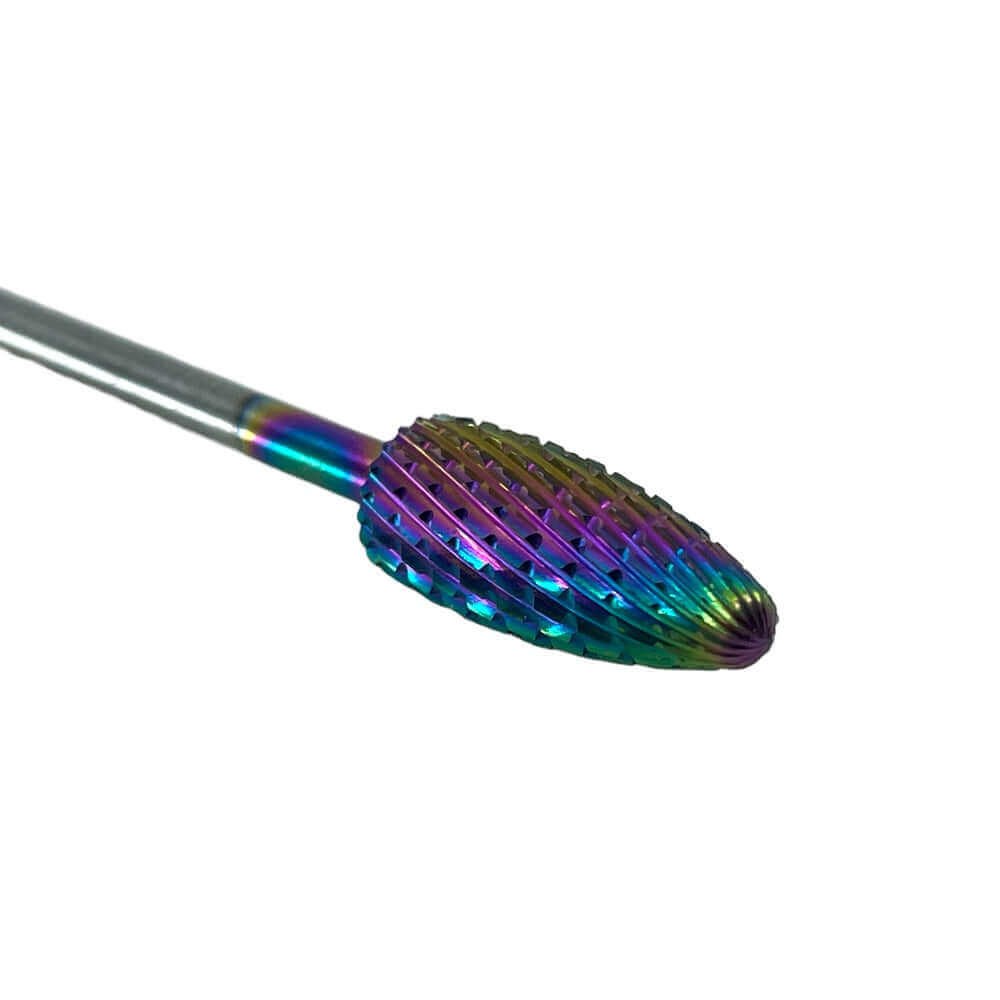
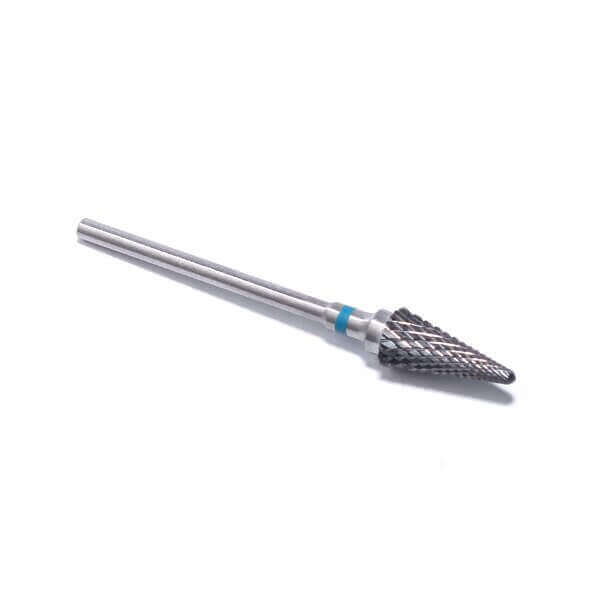
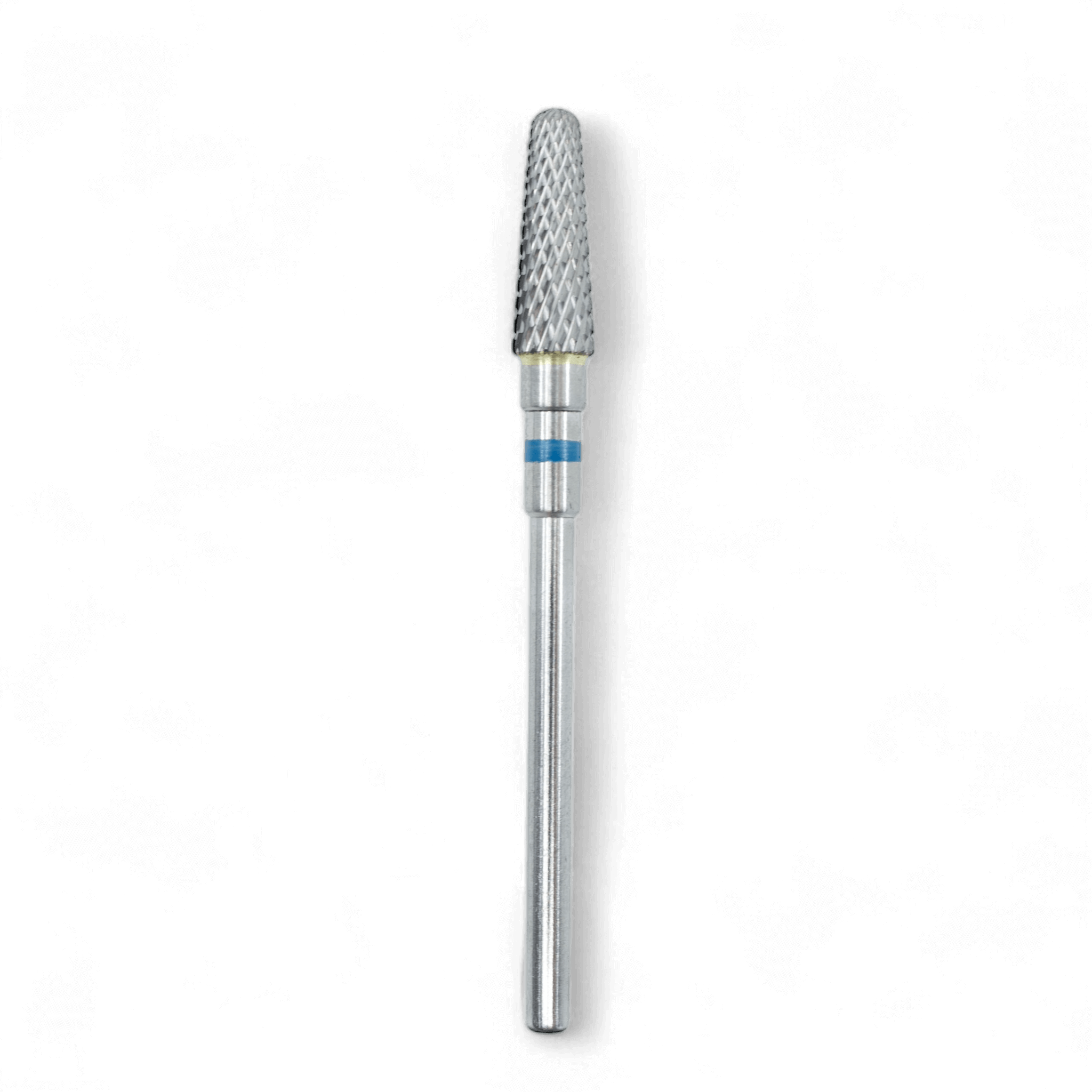
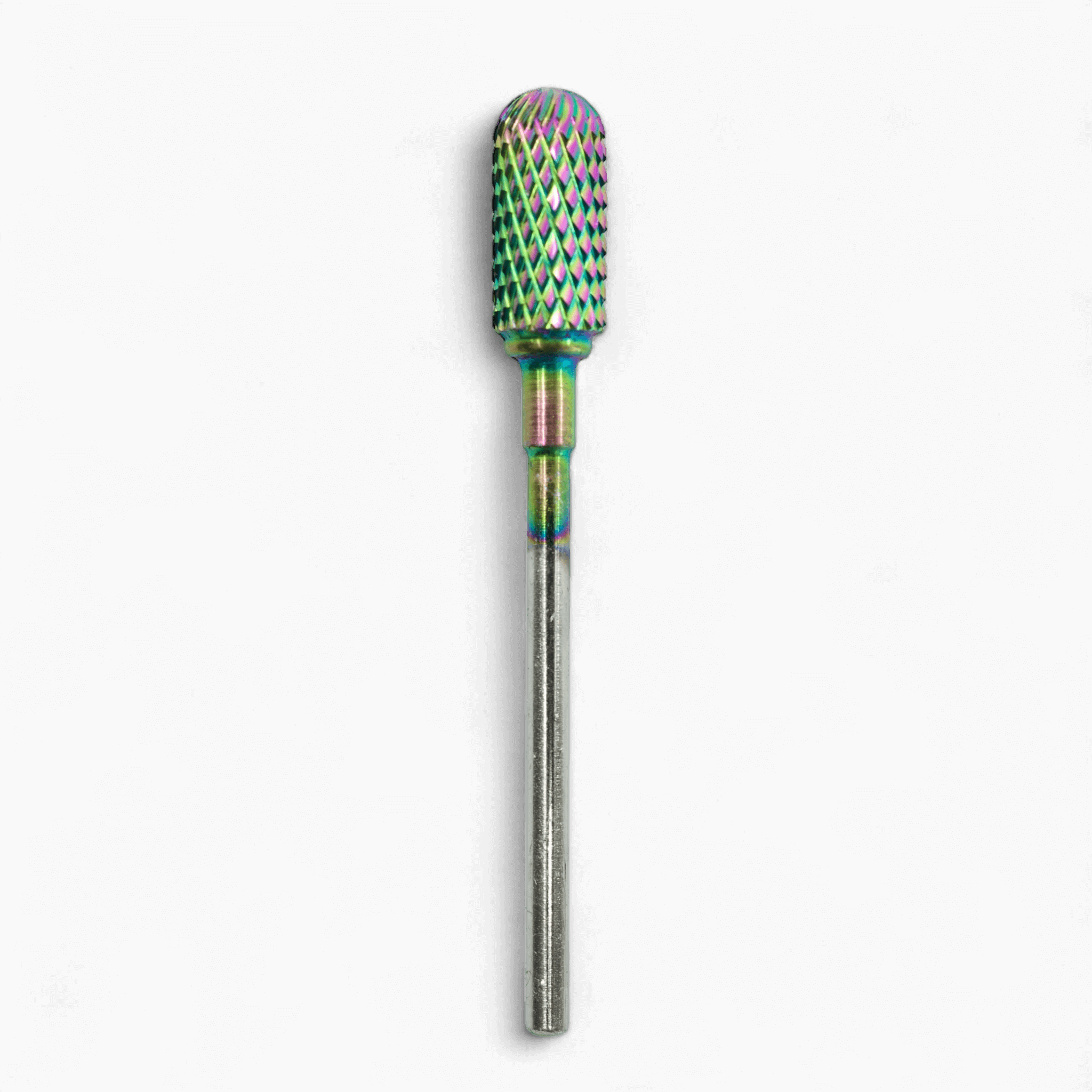
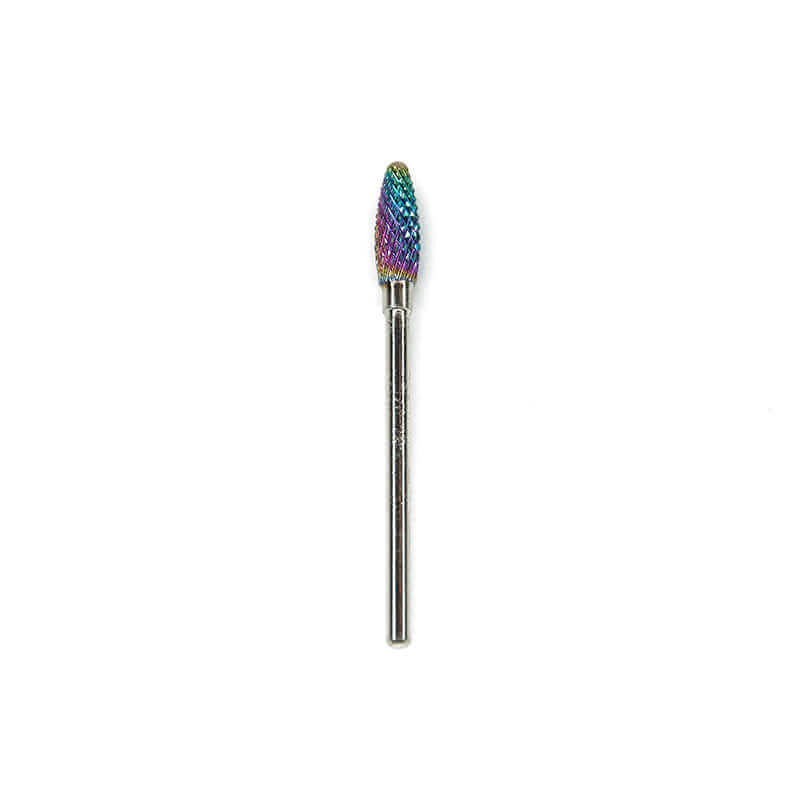
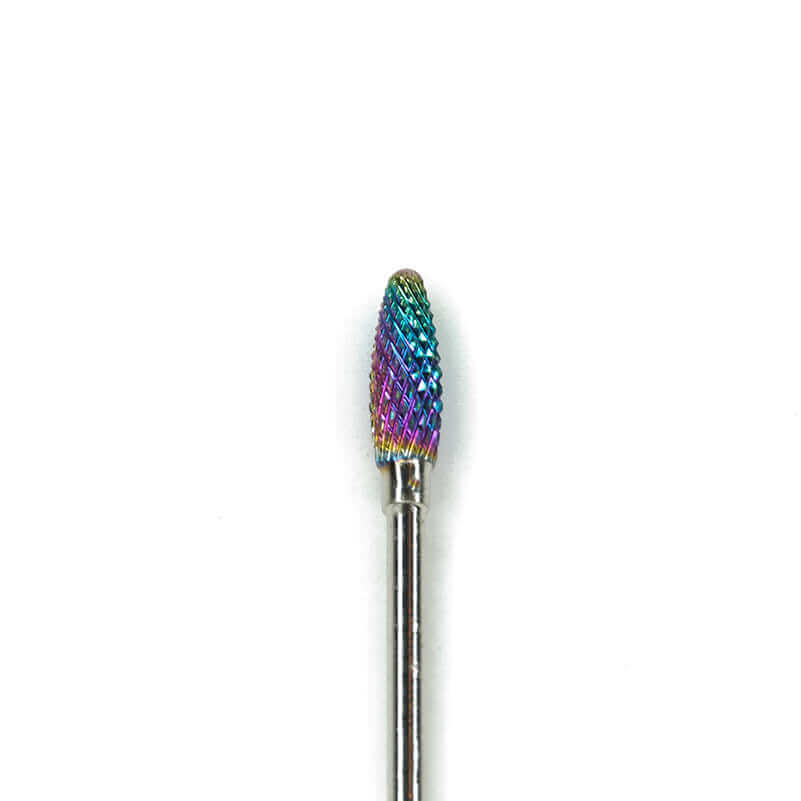
• 🔹 Carbide bits → for fast gel removal, very efficient and durable.
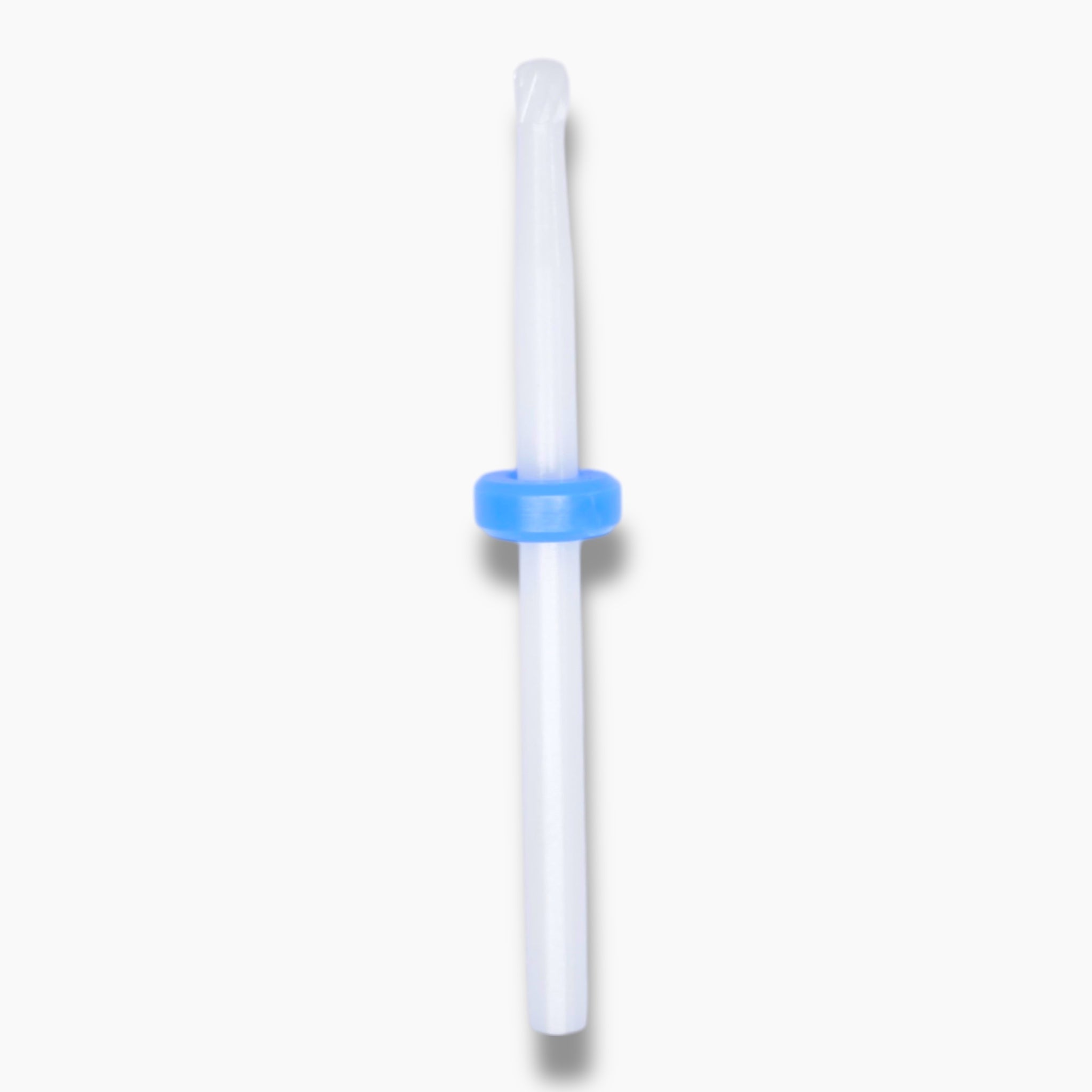
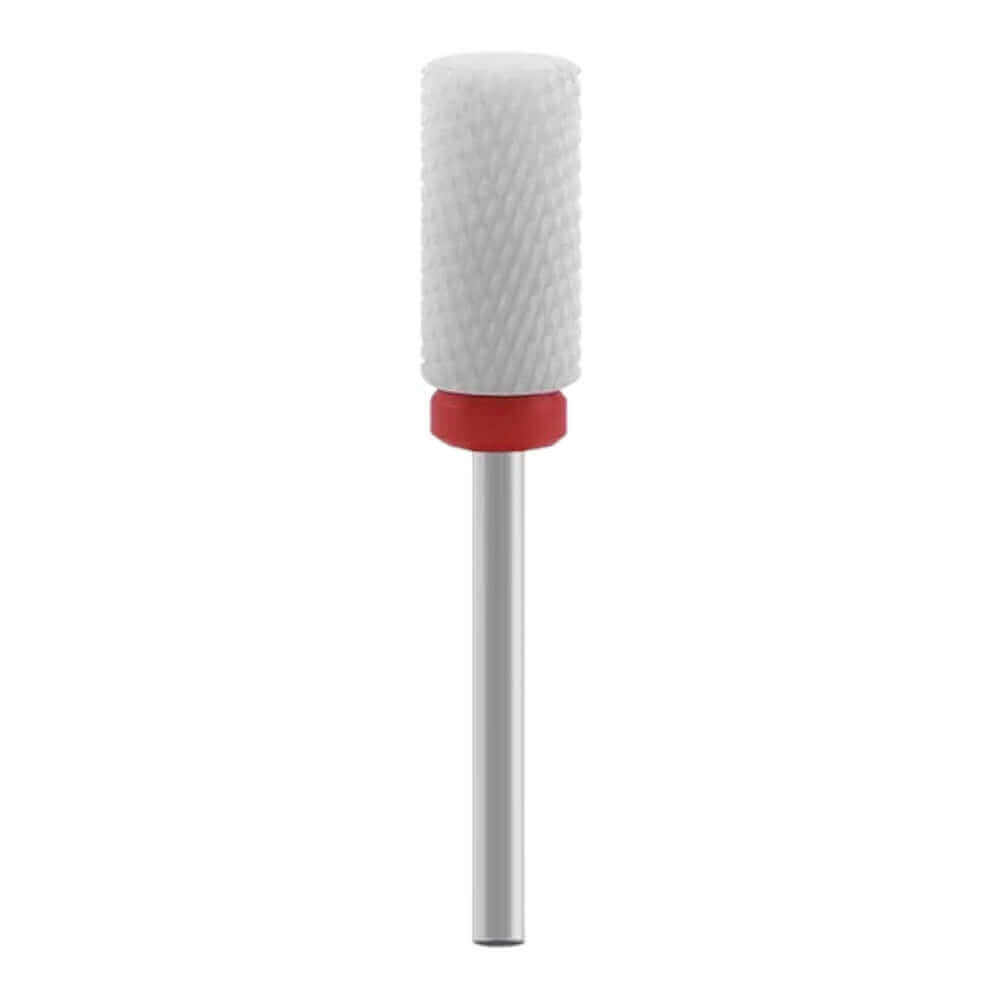
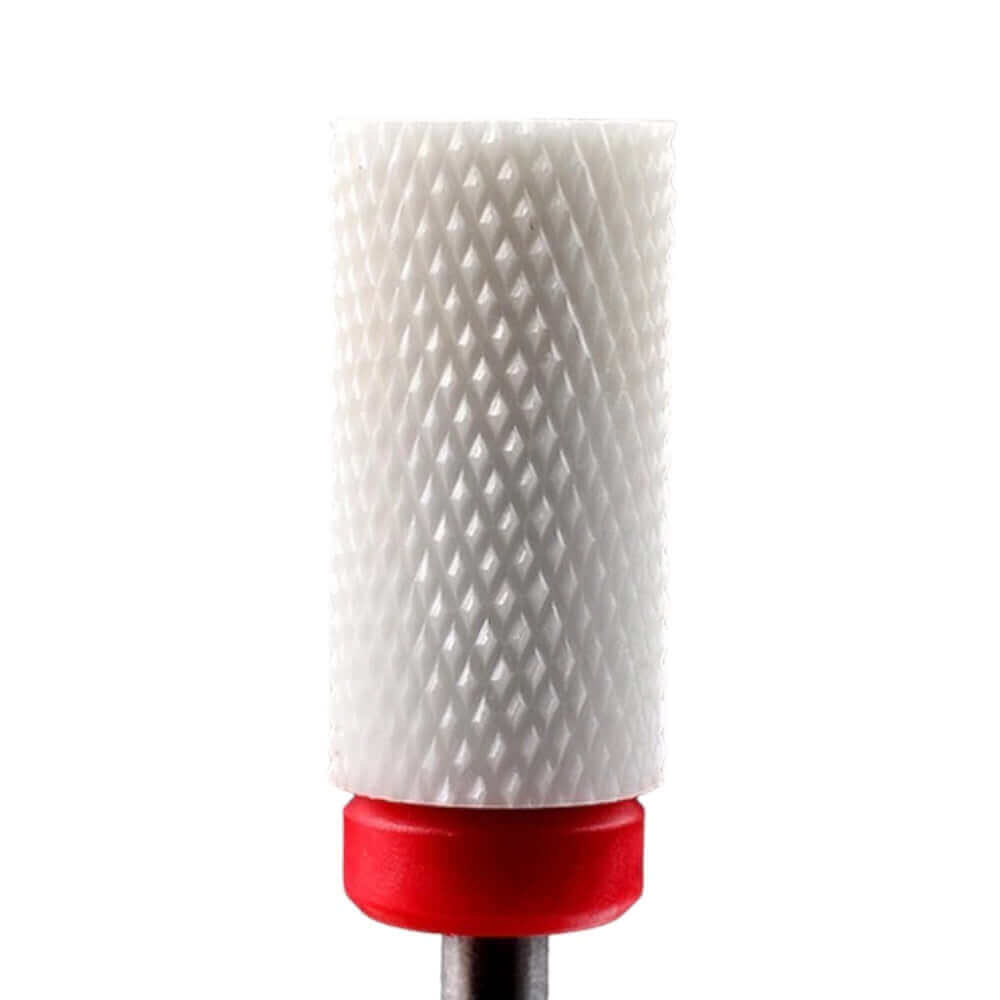
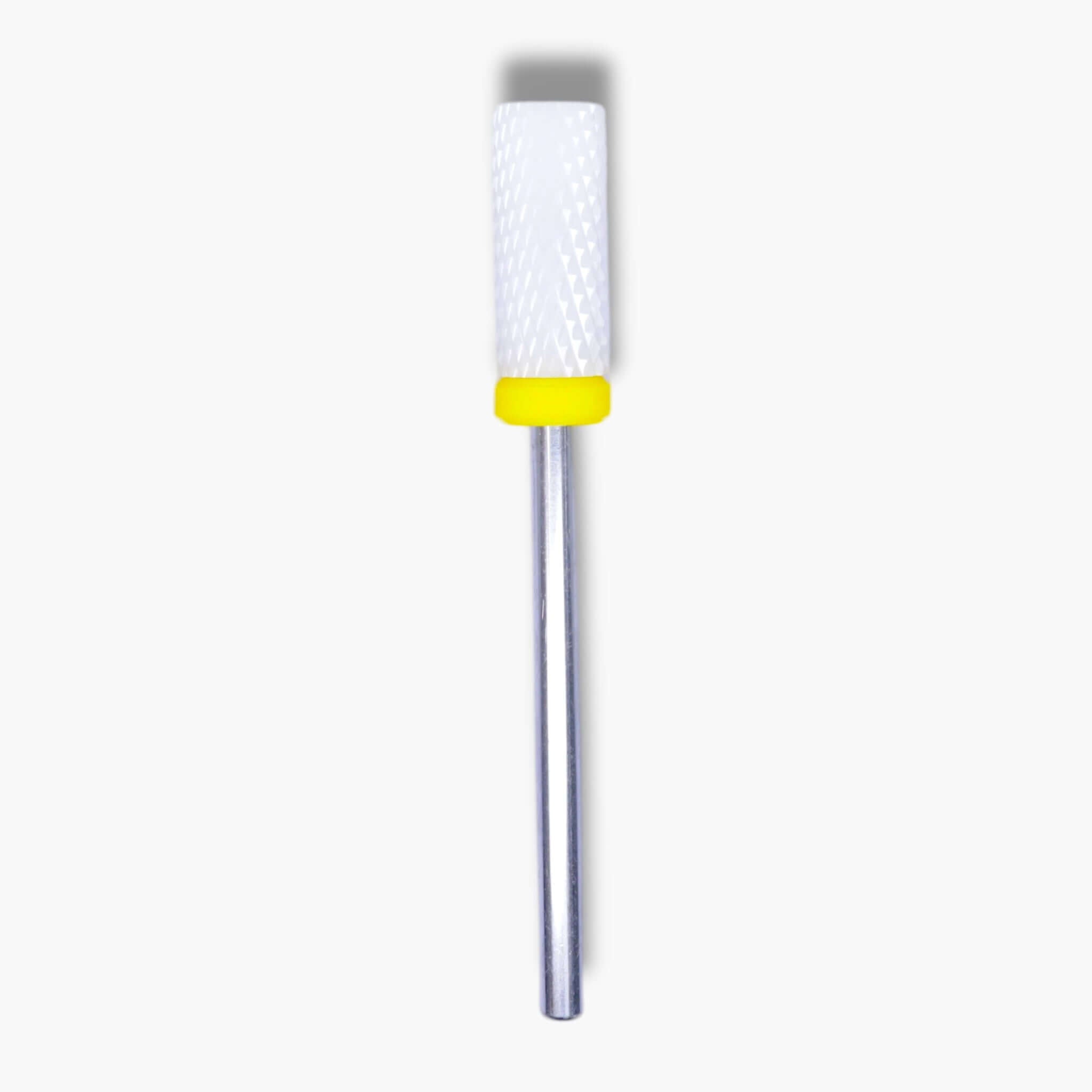
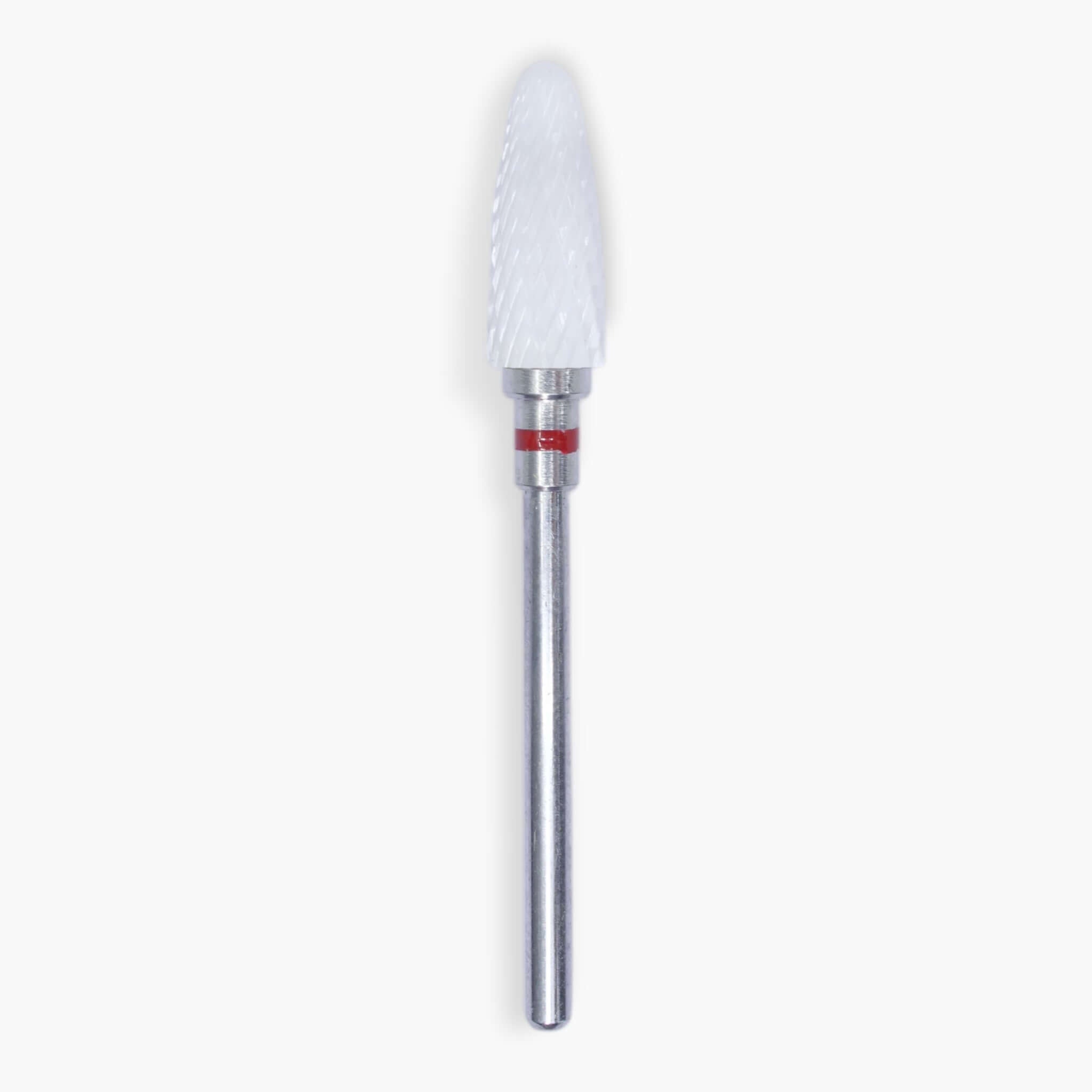
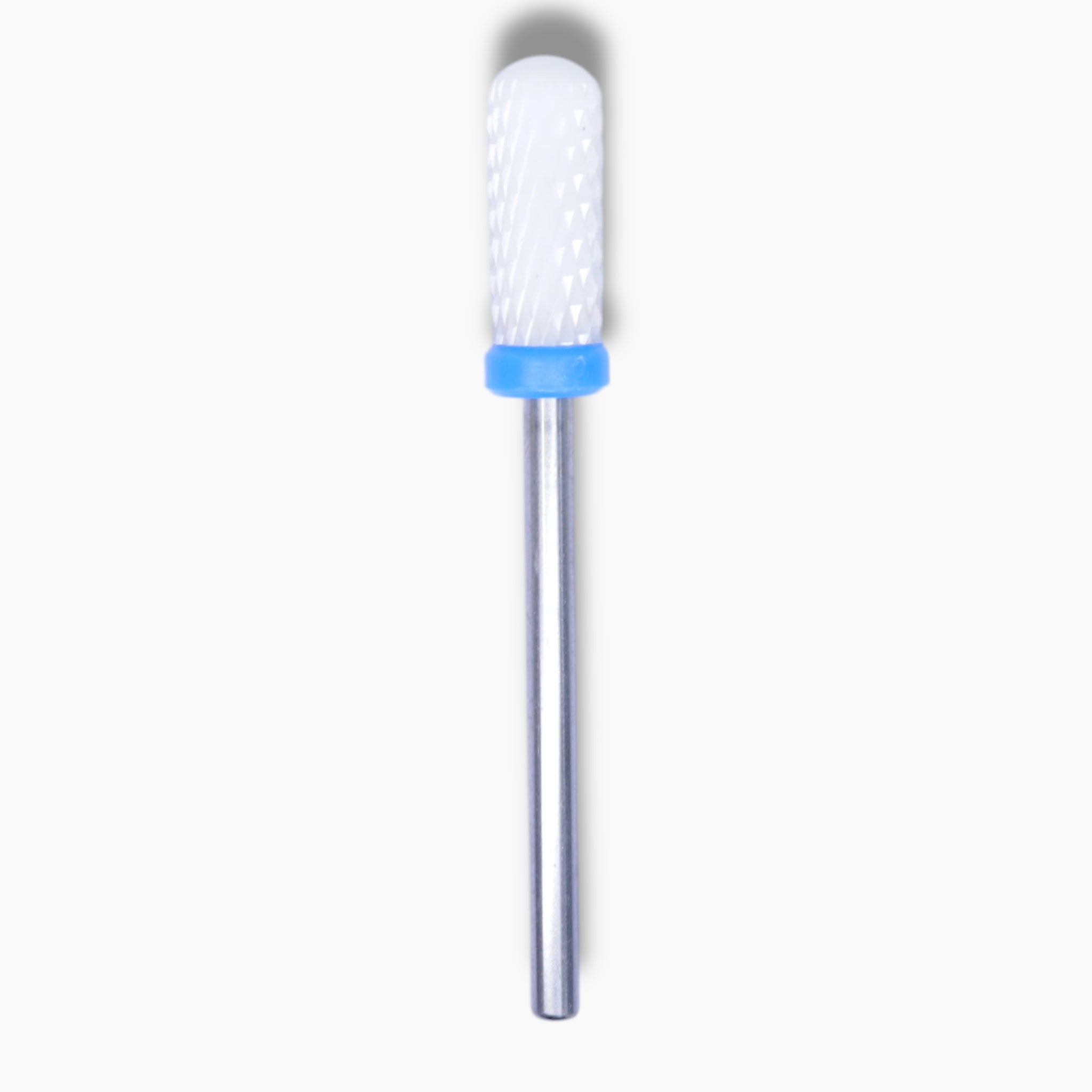
• 🔹 Ceramic bits → gentle, low heat, ideal for sensitive nails.
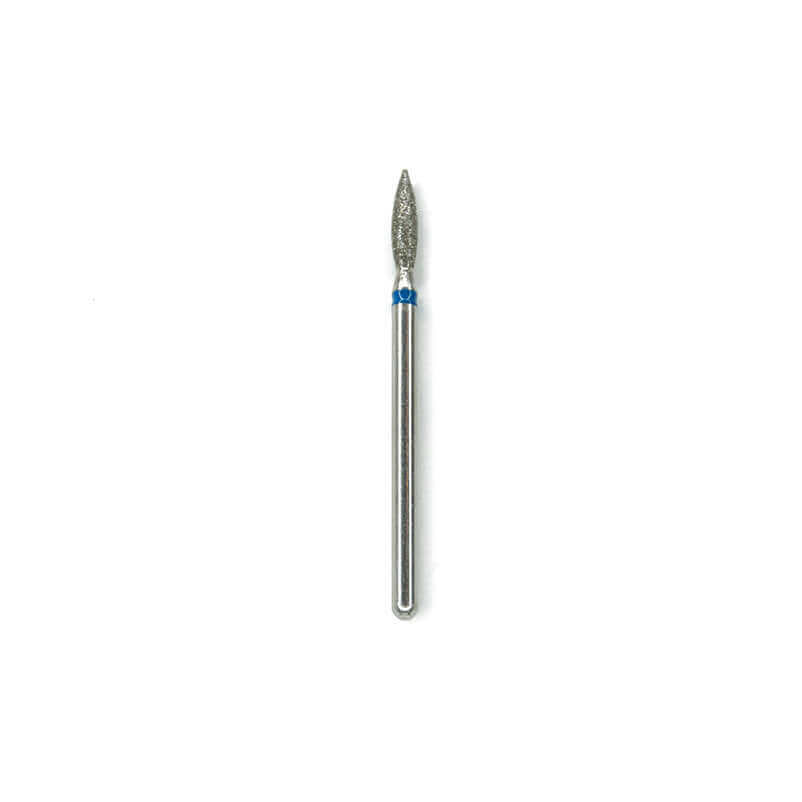
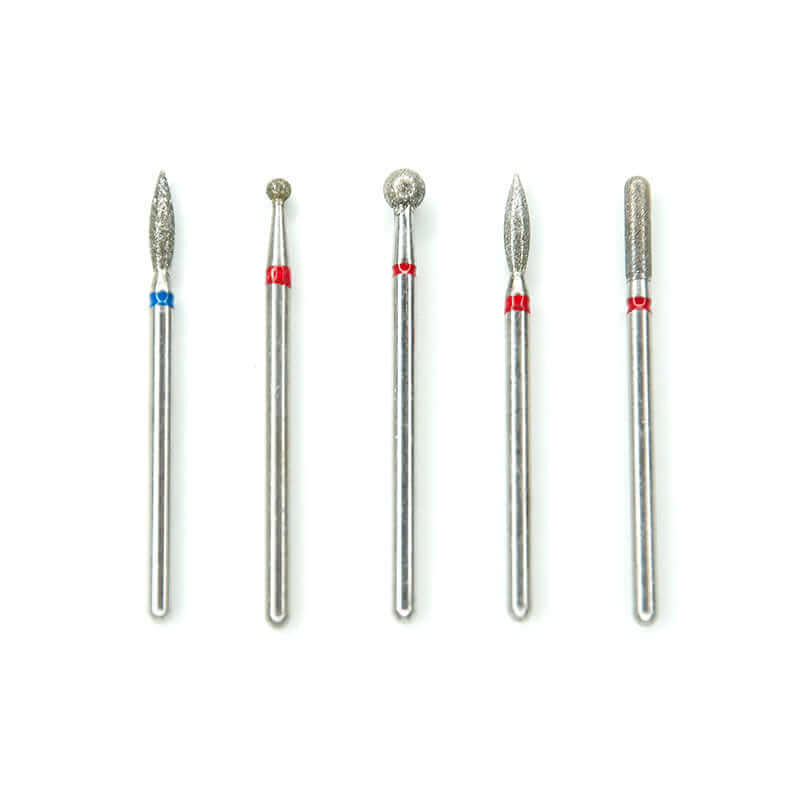
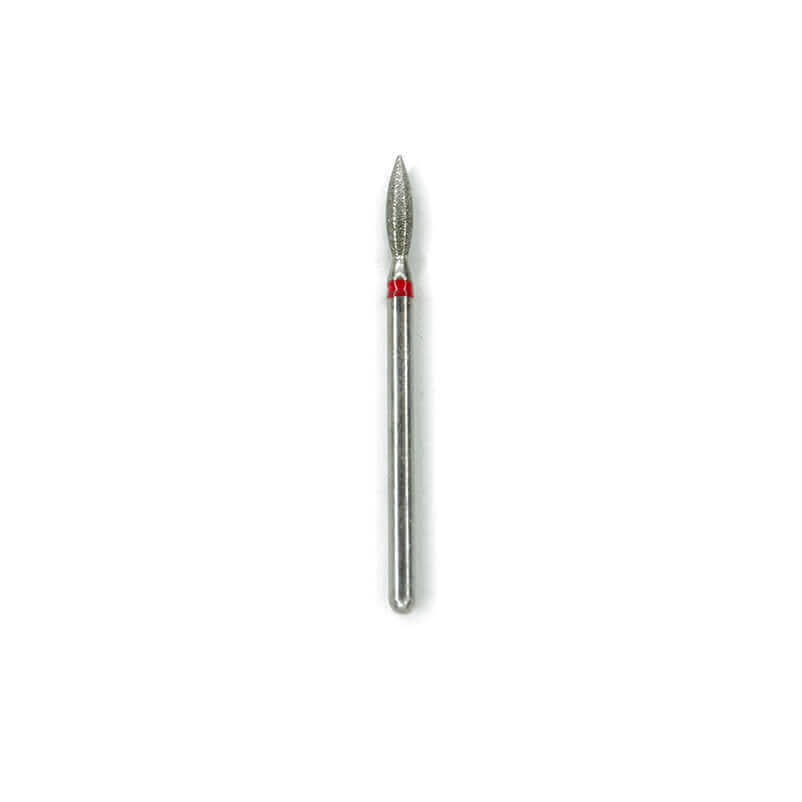
• 🔹 Diamond bits → for cleaning nail edges & cuticle care.
• 🔹 Polishing bits (silicone / felt) → for high gloss and fine finish.
👉 Important: Always pay attention to speed, quality and hygiene – blunt or unclean bits can damage the nail.
The color coding of nail drill bits
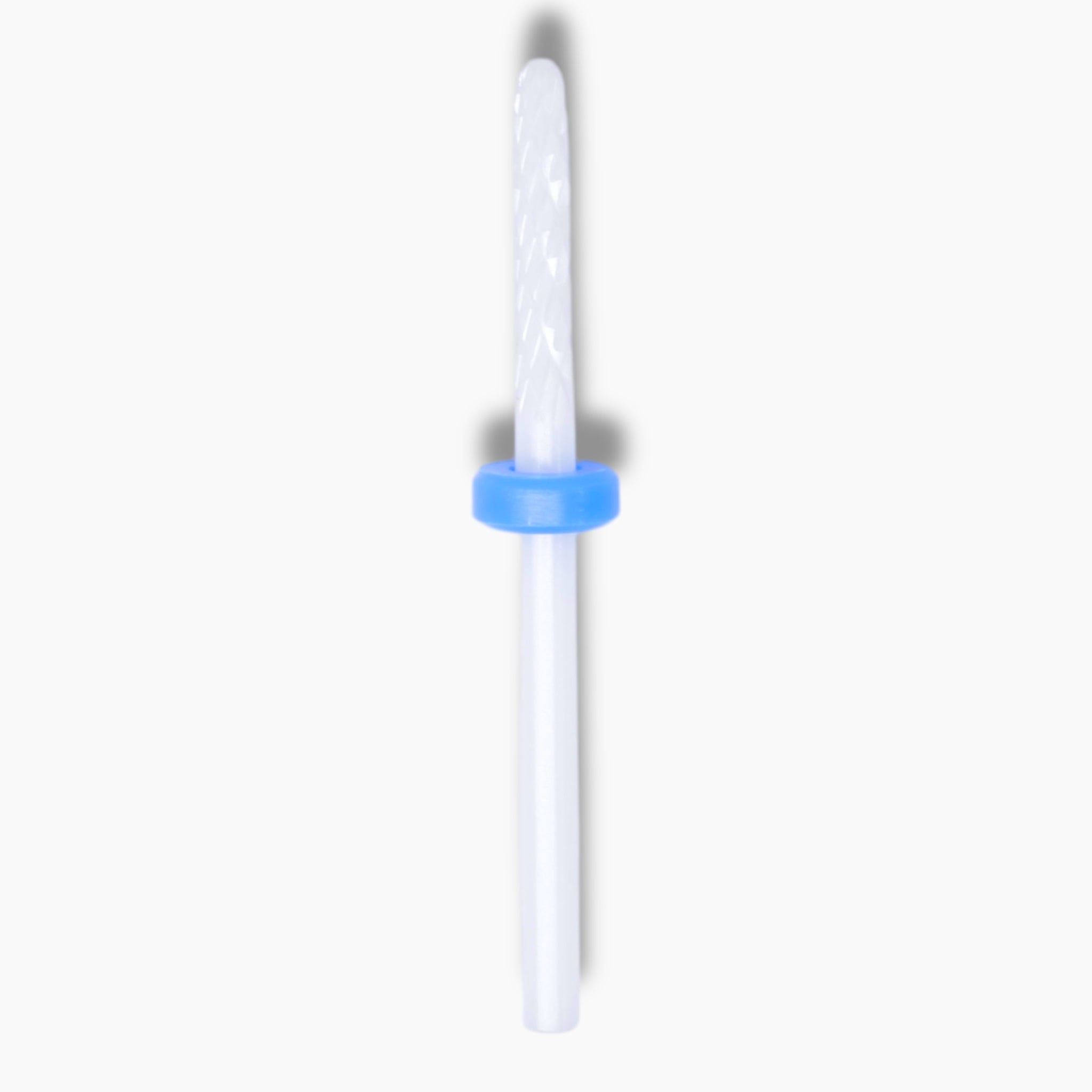
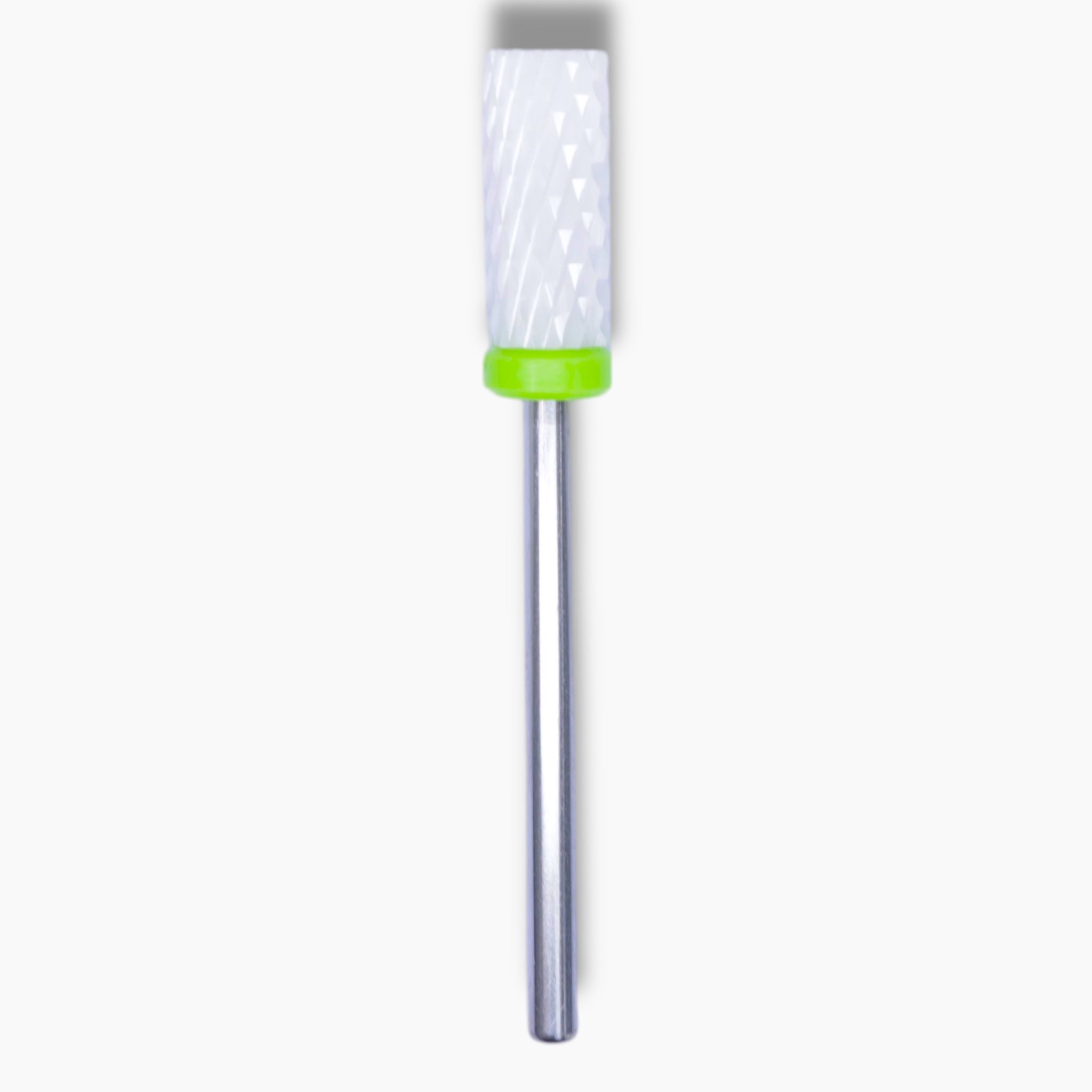
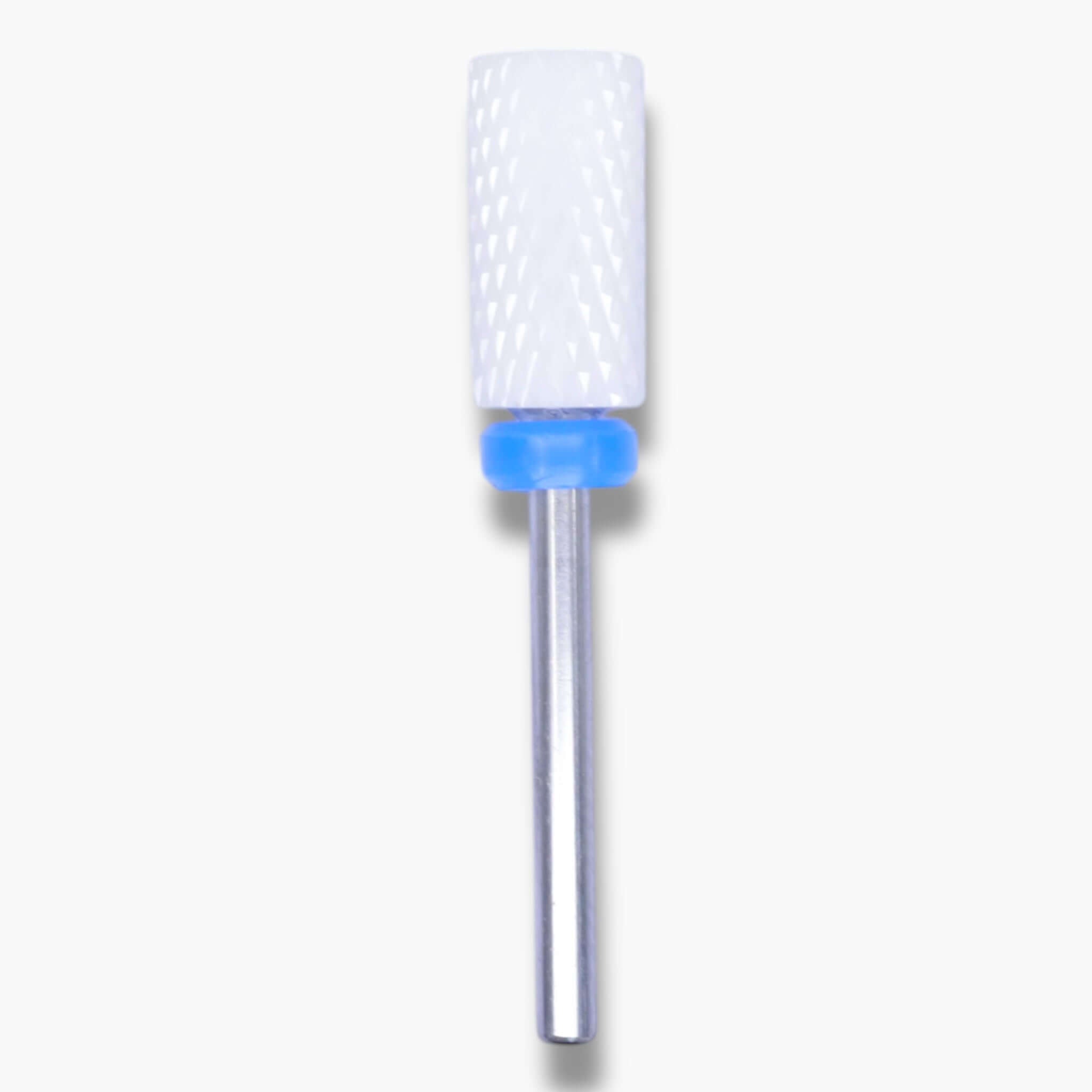
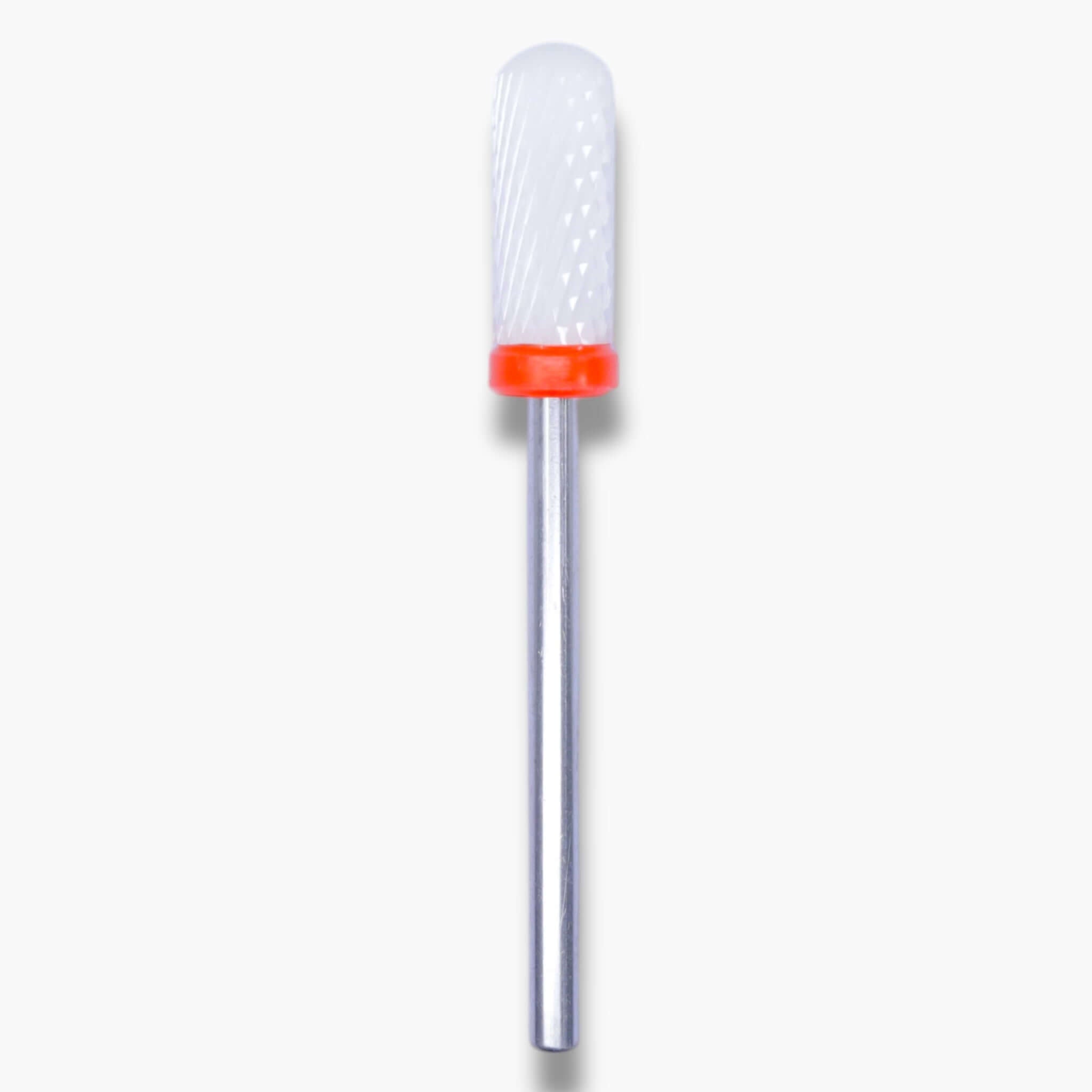
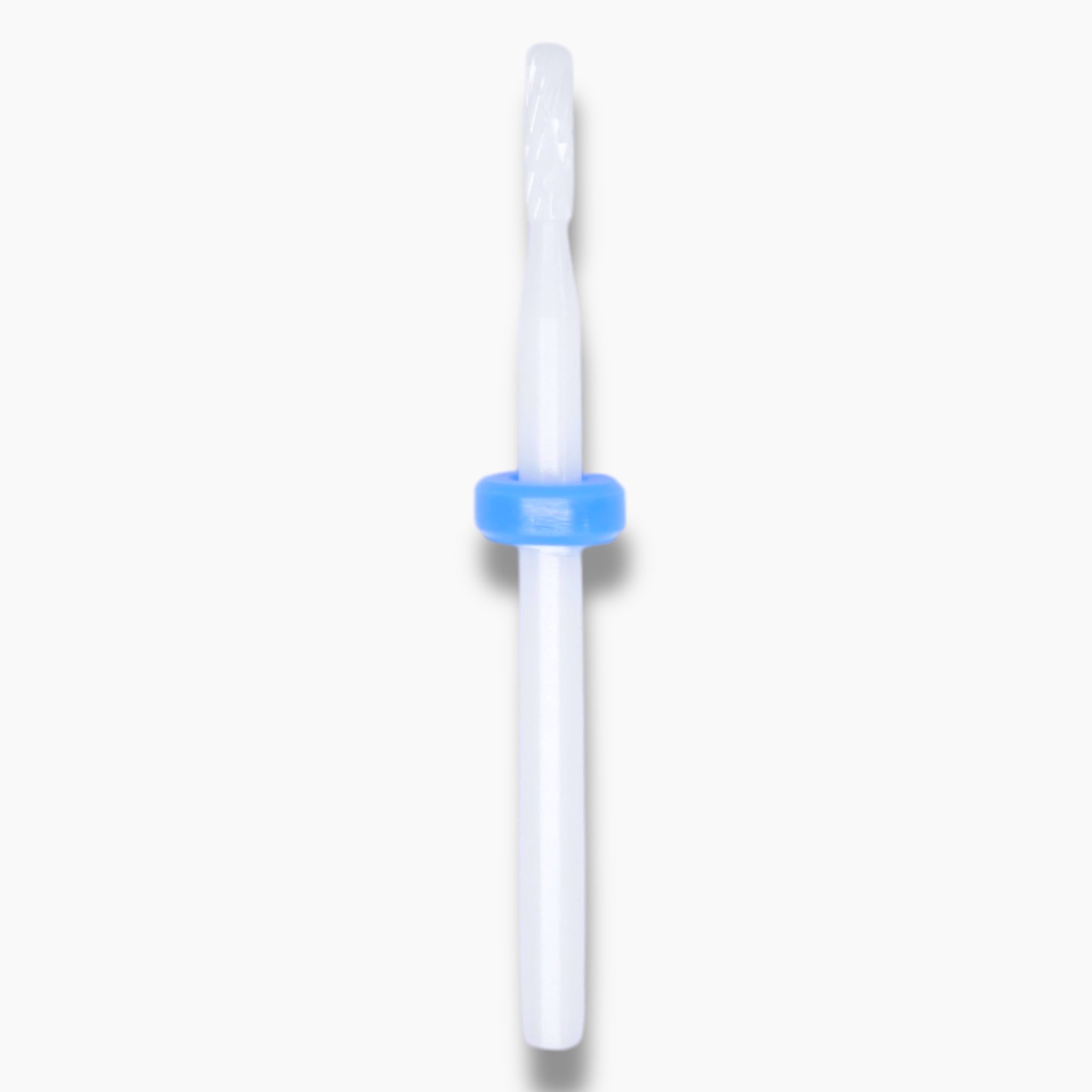
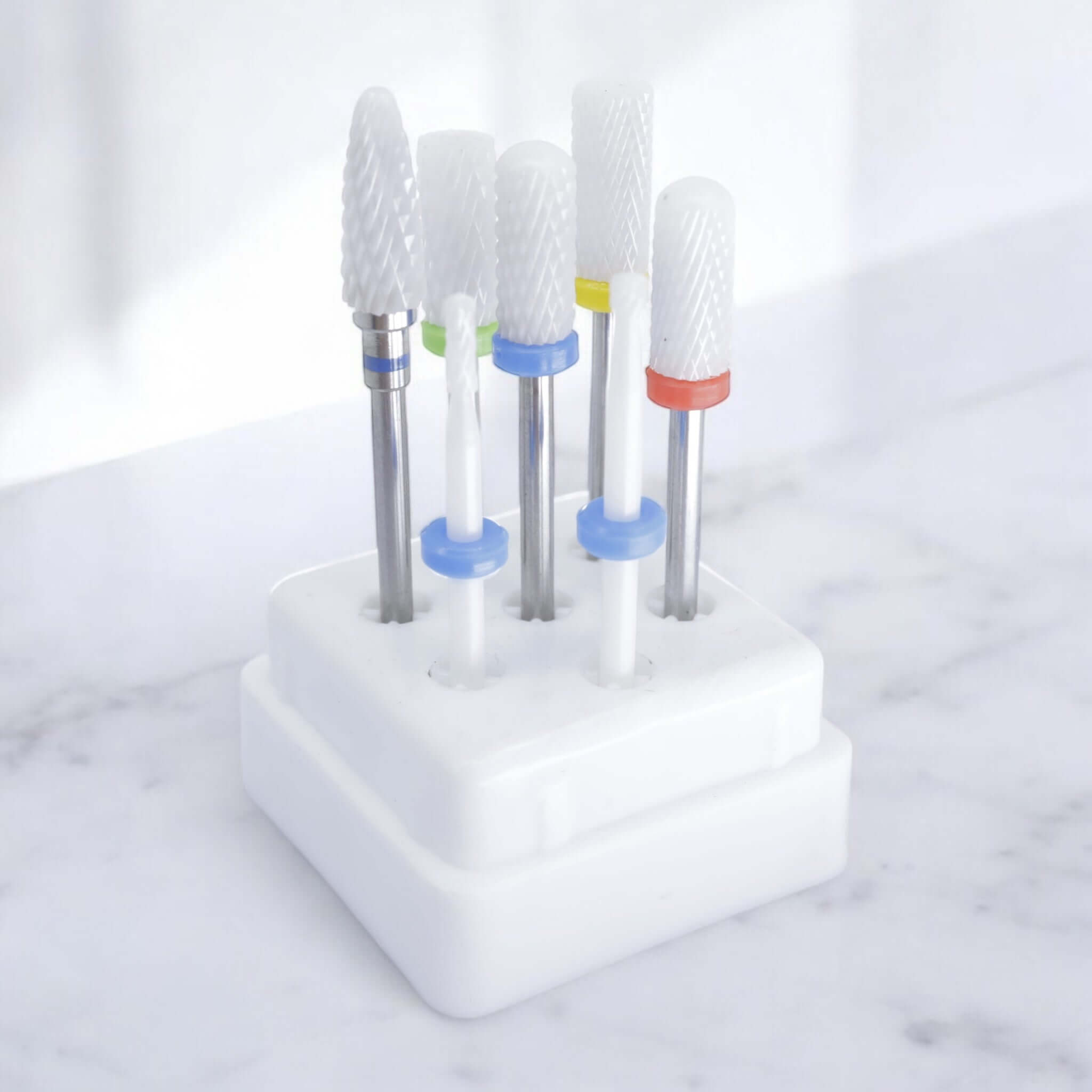
The colored rings on nail drill bits aren't just for decoration. They serve as a standardized system to indicate the grit or abrasiveness of the bit. This helps you quickly and easily identify the right bit for a specific task.The most common colors and their meanings are:
- Yellow: Extra Fine (XF)
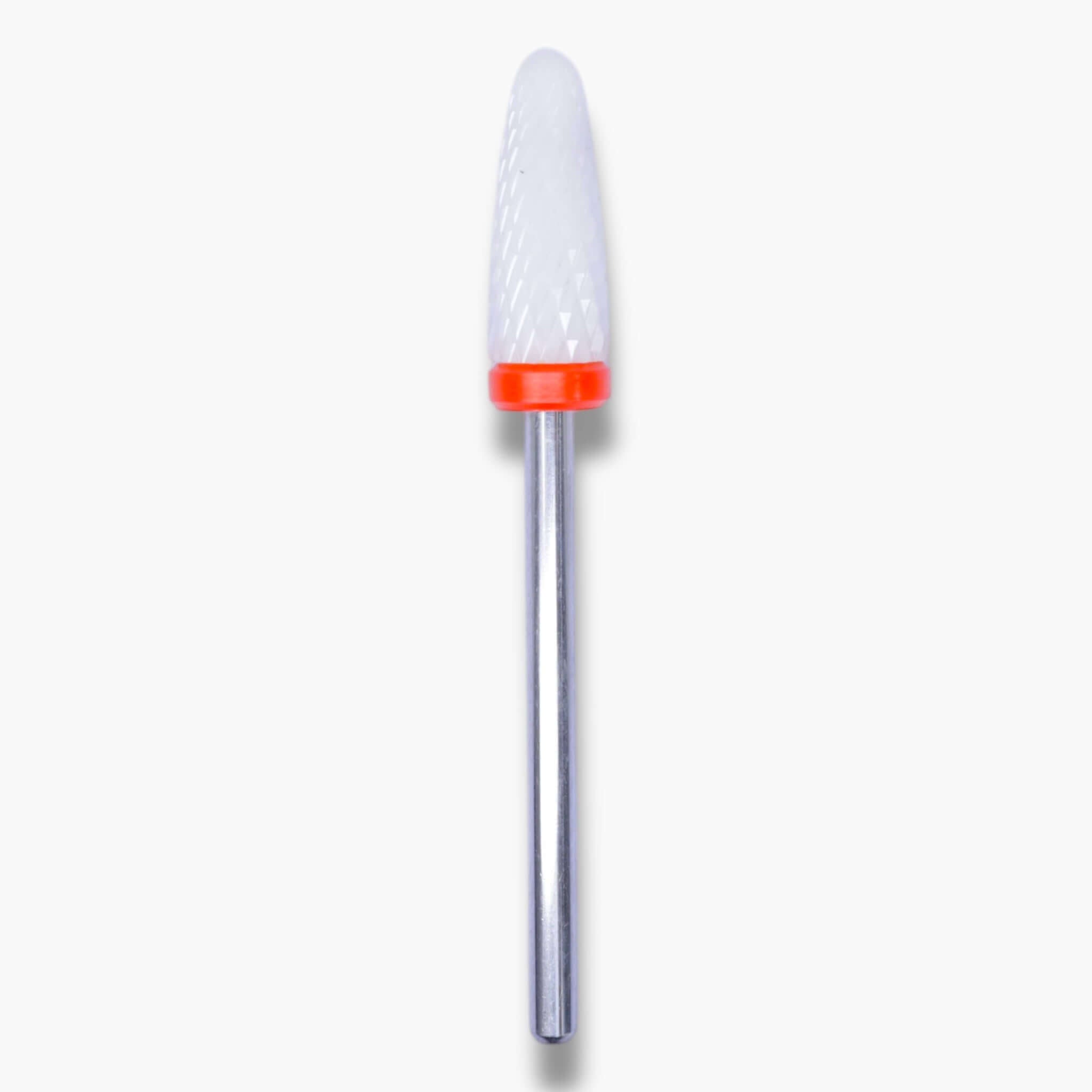
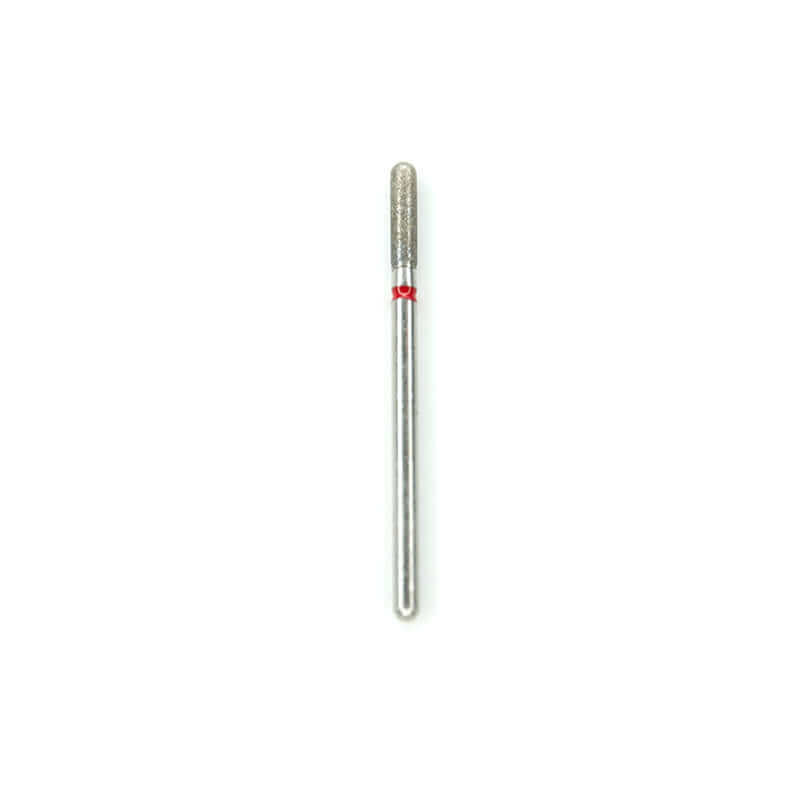
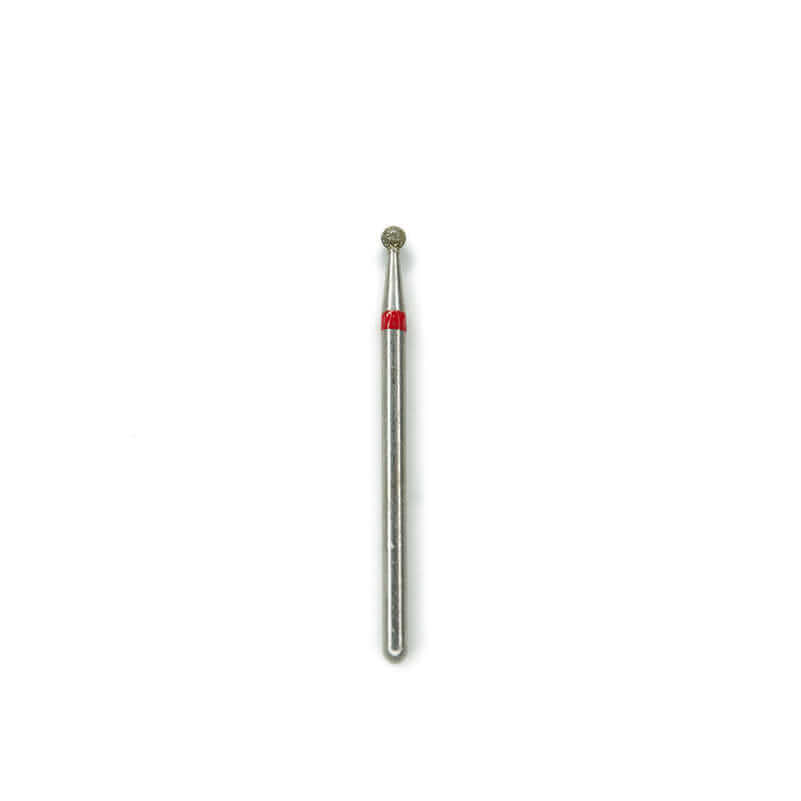
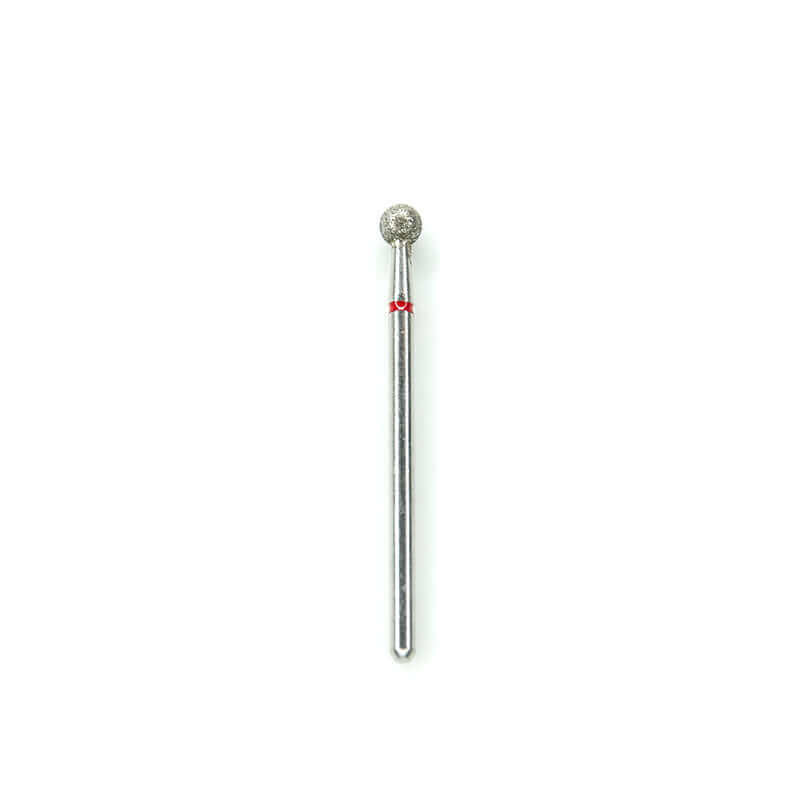
- Red: Fine (F)
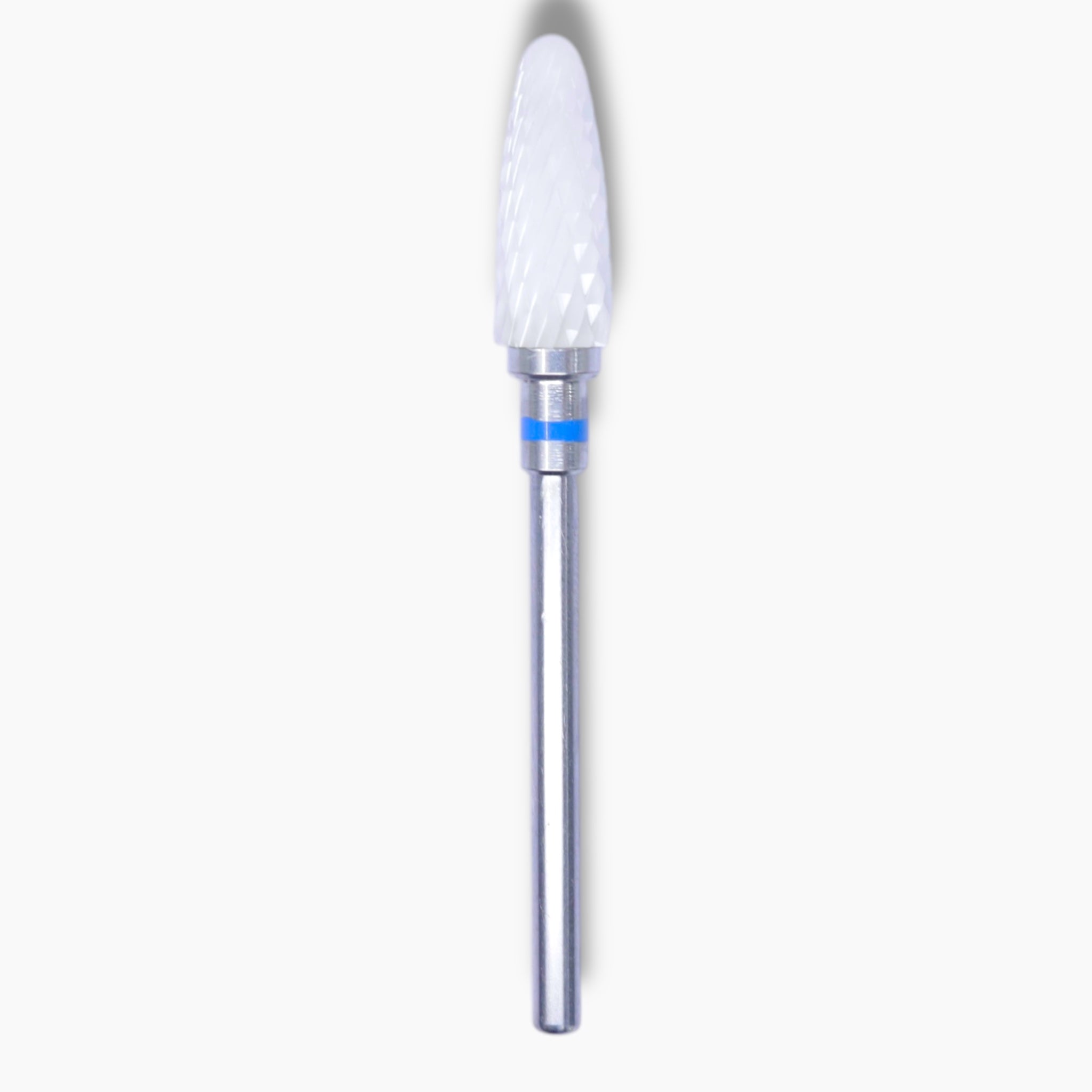
- Blue: Medium (M)
- Green: Coarse (G)
- Black: Extra Coarse (XC)
Detailed explanation of the color coding
Yellow – Extra Fine (XF)Application
- Finest finishing work
- Smoothing the nail surface
- Cuticle care
Characteristics:
Yellow bits have the finest grit and are ideal for work requiring the highest precision. They remove minimal material and reduce the risk of damage to the natural nail. Red – Fine (F)Application:
- Preparation of the natural nail
- Fine removal of gel or acrylic layers
- Smoothing out uneven surfaces
Characteristics:
Red bits are slightly more abrasive than yellow ones, but still gentle enough for the natural nail. They are excellent for detailed work and finishing.
Blue – Medium (M)
Application:
- Shaping and shortening artificial nails
- Removing thin layers of gel or acrylic
- General processing
Characteristics:
Blue bits are all-rounders and part of every nail technician's standard equipment. They offer a good balance between efficiency and control.
Green – Coarse (C)
Application:
- Rapid removal of gel or acrylic material
- Removing thick layers
- Preparatory work for refill
Characteristics:
Green bits are significantly more abrasive and should be used with caution. They are ideal for quickly removing material, but require a skilled hand to avoid damage.
Black – Extra Coarse (XC)
Application:
- Intensive demolition work
- Removing very thick or hard layers
- Trimming toenails in a pedicure
Characteristics:
Black bits are the coarsest and most aggressive. They are mainly used in special situations and should only be used by experienced professionals.Tips for the correct use of nail drill bits
1. Knowledge of the material: Match the bit to the material you are working with. Soft materials require finer bits, while harder materials require coarser bits. 2. Control the speed: The coarser the bit, the lower the speed of the milling cutter should be to avoid heat generation and damage.
3. Minimize pressure: Let the bit do the work. Too much pressure can lead to heat and discomfort for the customer.
4. Regular cleaning and disinfection: Hygiene is crucial. Clean the bits after each use to avoid cross-contamination.
5. Training and practice: Experience is particularly important with coarse bits. Take your time to practice handling different bits.




![Gelnägel vs. Shellac: Was ist der Unterschied? [Kompletter Vergleich 2026]](http://nailino.ch/cdn/shop/articles/24b2b09efa05d391c6c68f7a4e13774d.png?crop=region&crop_height=701&crop_left=0&crop_top=65&crop_width=1248&v=1769109331&width=1248)